
Bare Lawn Problems That Need Real Solutions
Sod installation in Lakeland for patchy, uneven, or worn-out turf that ground seeding cannot fix
C & E Landscaping Solutions installs sod across Lakeland and central Polk County, handling every step from grading and old turf removal to the watering protocol on installation day. Homeowners dealing with bare patches, erosion-prone areas, or a full lawn replacement need more than dropped pallets and a handshake—they need a crew that prepares the base correctly before the first roll goes down. A single skipped step in grading is the reason new sod develops bare spots and standing water within the first few weeks.
The installation process starts with assessing the existing surface. If old turf needs to come out, the crew handles removal before any grading work begins. Base preparation accounts for the flat terrain common across central Polk County properties, where even minor low spots channel water in ways that separate and kill new sod at the seams. Once grading is complete and the surface is ready, sod is laid tight, rolled, and immediately put on a day-one watering schedule that gives roots the contact they need to establish before the surface dries out.
Arrange an on-site evaluation so the crew can assess your current turf condition and determine the correct base preparation your property requires before installation begins.
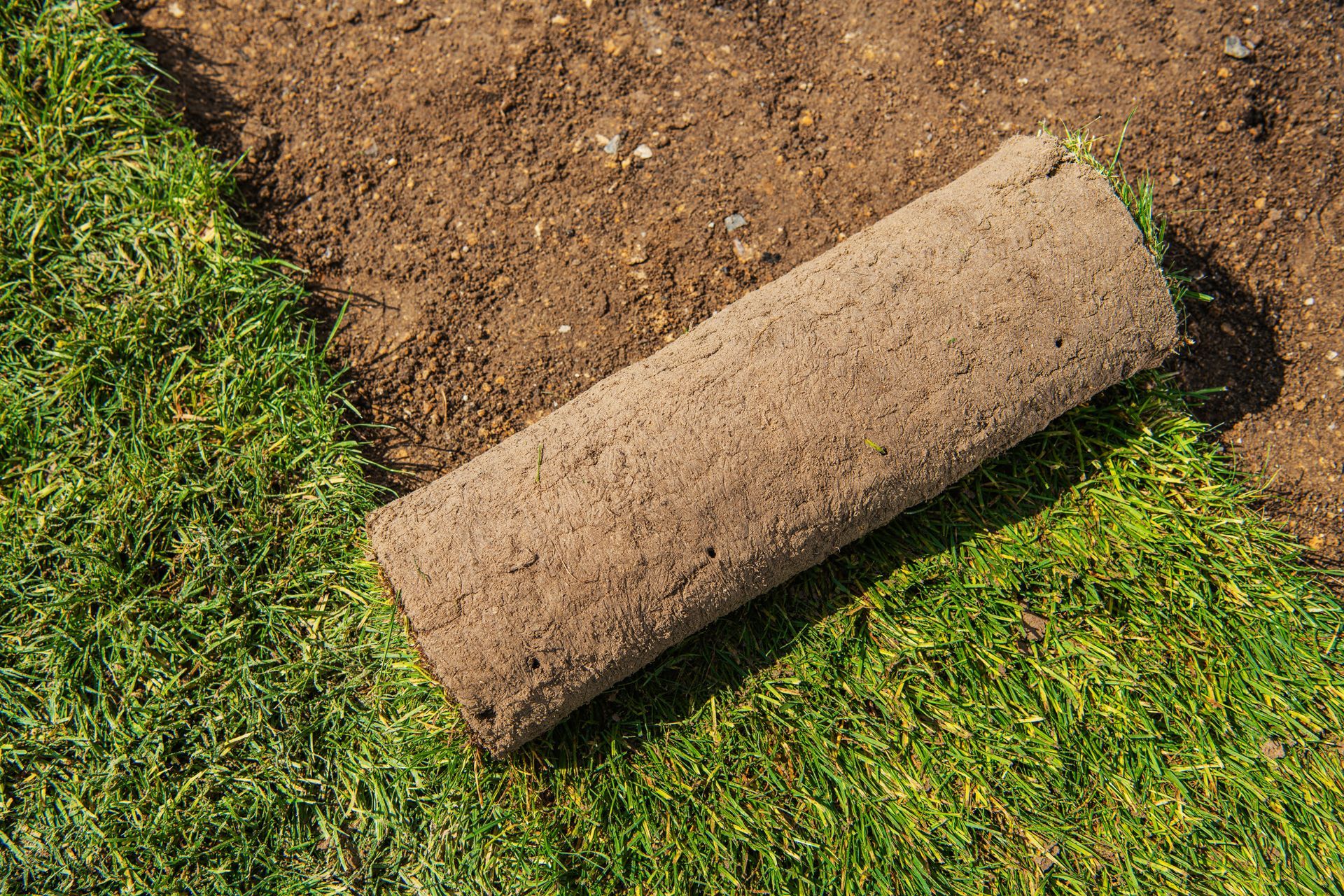
What Proper Sod Installation Actually Requires
Sod installation done correctly is a base preparation job as much as a turf placement job. The crew grades the surface to eliminate low spots, removes any debris or dead material that would prevent root contact, and sequences the installation so the sod reaches the ground the same day it is delivered—pallets sitting in the sun lose viability quickly. The two-person crew at C & E Landscaping Solutions is available seven days a week, which means installation appointments are not stacked into a single window and pallets do not sit waiting for an opening in the schedule.
Once the sod is down and rolled, what you will notice in the first week is that seams stay tight and the surface does not sink in areas where the base was properly leveled. What you will not notice is the standing water that appears along edges and low-center sections when grading was rushed or skipped entirely. The difference between those two outcomes is almost entirely in the preparation, not in which sod variety was selected.
Old turf removal is included when needed, and the crew establishes the watering protocol on the day of installation rather than leaving that to a handout. Sod type selection depends on your lawn's sun exposure and foot traffic patterns, both of which affect how the crew spaces and rolls each section.
Common Questions About Sod Installation
The questions below focus on how sod installation actually works—what happens on site, what the process involves, and what to look for once the job is finished.
What happens to the existing lawn before new sod goes down?
If the existing turf is dead, diseased, or compacted beyond recovery, the crew removes it before grading begins. Leaving old material underneath creates an uneven base and prevents new roots from reaching soil, which shows up as spongy sections and die-off within the first month.
How is the base graded before sod is installed?
The surface is leveled to eliminate low spots that would trap water at seam lines. In Lakeland, where many residential lots are essentially flat, even a one-inch depression across a large lawn section creates a wet zone that drowns new sod roots before they establish.
What does the watering protocol involve on installation day?
Sod needs immediate irrigation contact after placement to keep the underside from drying out before roots grip the soil. The crew establishes the watering schedule on the day of installation so the critical first 48 hours are covered correctly.
How do you know when new sod has rooted successfully?
Tug lightly on a corner piece after 10 to 14 days. Established sod resists lifting and the underside will show white root threads extending into the soil. Sod that lifts cleanly at the seams needs more time or indicates a base preparation issue that should be addressed early.
Why does sod fail along edges faster than in the center of a lawn?
Edges dry out more quickly because they have less contact with the surrounding soil mass and are exposed to heat from adjacent hardscape. Proper rolling and tight seam placement at edges—rather than trimming pieces to fit loosely—is what keeps edge sections from curling and dying back in the first few weeks.
C & E Landscaping Solutions also
installs sod in Winter Haven, Auburndale, Bartow, Haines City, and Davenport. To get a clear picture of what your property requires, call (689) 234-8225 and schedule a visit so the crew can assess the existing surface and confirm what base preparation the installation will need.