
Outdoor Spaces Planned Before a Single Plant Goes In
Landscape design and installation in Lakeland for properties where layout, irrigation, and plant placement need to work together from the start
What a finished landscape looks like three years after installation is almost entirely determined by decisions made before the first plant goes in the ground. C & E Landscaping Solutions designs and installs complete landscape projects throughout central Polk County, including sod, mulch beds, shrub placement, and irrigation connections planned as a coordinated system rather than added one piece at a time. The crew works through a site assessment and planning walkthrough with you before any work begins, which is how a 700-foot hedge installation gets executed correctly—spacing, irrigation overlap, and soil preparation sequenced in an order that makes each step viable before the next begins.
The process starts with a site visit to assess sun exposure, drainage patterns across the lot, and your maintenance capacity. From that assessment, the crew sketches a layout that defines planting zones, bed edges, and irrigation coverage before any material is ordered or plants are selected. Installation follows the design in sequence: soil preparation first, plant placement second, mulching third, edging fourth, and irrigation connection where the system requires it. That sequence is not arbitrary—mulching before edging, for example, results in uneven bed lines that shift when the mulch settles.
Schedule a site assessment to walk through your property's specific conditions and discuss a layout that accounts for your planting zones and ongoing maintenance requirements.
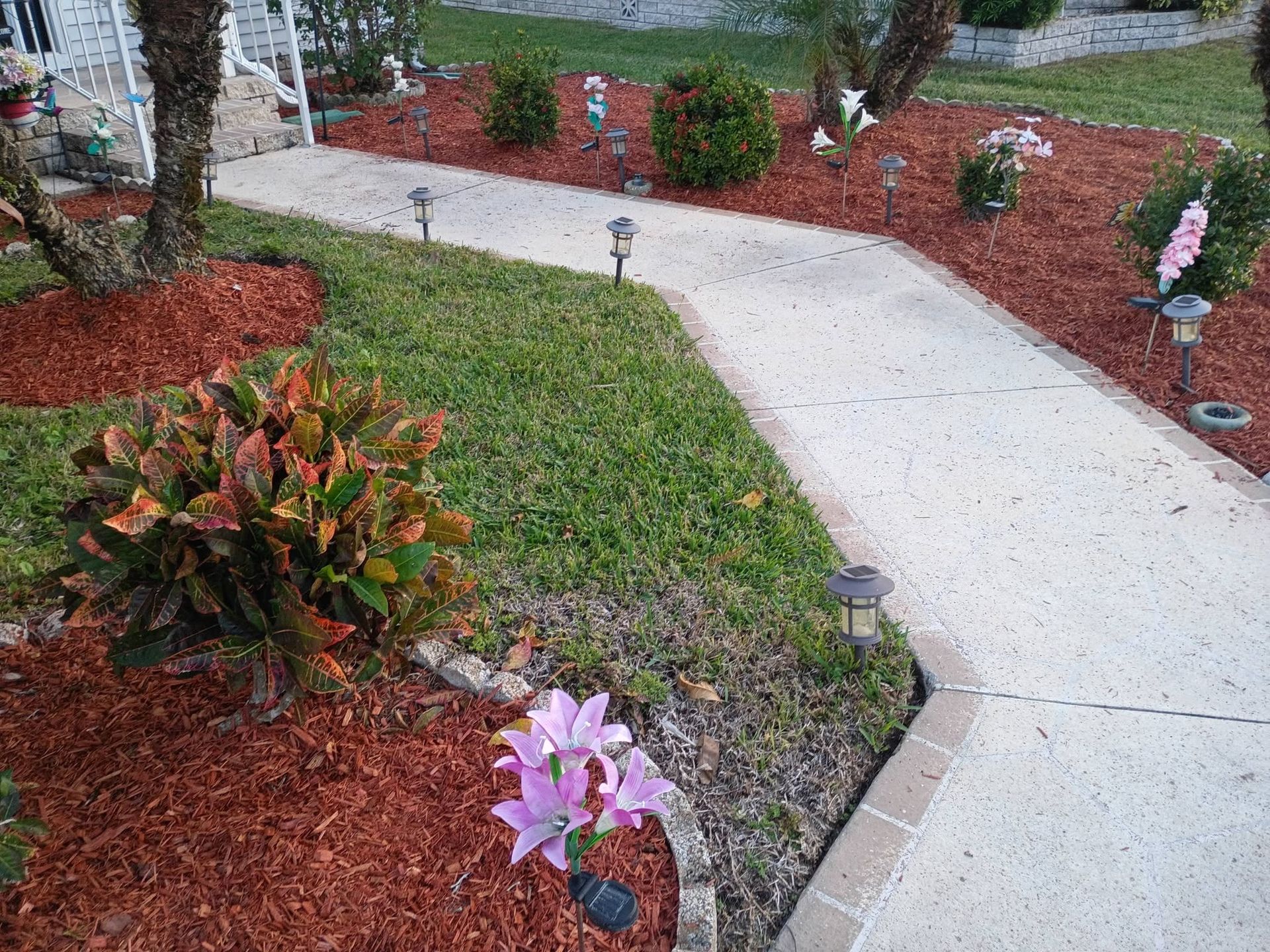
Why Sequencing Separates Landscape Installations That Last
The difference between a landscape that holds its shape for years and one that requires constant correction usually comes down to how site preparation was handled before plants arrived. C & E Landscaping Solutions addresses soil prep and irrigation layout as foundation steps—not afterthoughts added around established plants. Connecting irrigation after plants are placed means heads get positioned for convenience rather than coverage, which leaves dry zones that stress specific plants without any visible indicator until the damage is already done.
Once installation is complete, what you notice is that bed edges stay defined, plant spacing looks intentional rather than crowded, and irrigation runs cover the zones they were designed to cover without overlap that wastes water or gaps that leave sections dry. The mulched beds also read as finished rather than as work in progress, because the edging was set before mulch was spread and the depth was measured to the two-to-three-inch range where weed suppression actually works.
Large or complex projects—like extended hedge runs or properties with multiple distinct planting zones—are planned with maintenance capacity in mind from the start. A design that looks correct on paper but requires more pruning, trimming, or irrigation adjustment than you can realistically maintain will decline within one or two growing seasons. The planning conversation covers that directly so the final layout matches both the site conditions and what the property owner can sustain over time.
Answers About How the Work Is Done
These questions address how landscape design and installation actually works on site—what gets decided during planning, how installation is sequenced, and what a well-executed project looks like once complete.
What happens during the initial site assessment before design begins?
The crew evaluates sun and shade patterns across the lot, identifies any existing irrigation zones and their current coverage, notes drainage patterns, and discusses your long-term maintenance expectations. That information determines plant selection, spacing, and where irrigation heads need to be positioned before a layout is sketched.
How does irrigation get incorporated into a new landscape design?
Irrigation is planned as part of the initial layout rather than added after plants are placed. Head placement is mapped against the planting zones so coverage is built around where water is needed, not around where heads are easiest to install given what is already in the ground.
Why does plant spacing matter more than plant selection in most installations?
Spacing determines airflow, root competition, and how the planting looks at maturity—not at installation day. Plants that look appropriately spaced when installed often close into each other within two growing seasons if the mature spread was not accounted for in the original layout.
What makes a landscape installation in Lakeland different from other regions?
Central Polk County properties frequently have sandy, low-nutrient soil that drains quickly and does not retain amendments the way heavier soils do. Soil preparation for beds in this area typically requires more deliberate incorporation of organic material before planting, rather than surface topdressing after the fact.
How do you determine the correct mulch depth during installation?
Beds are mulched to two to three inches after edging is set. Less than two inches does not provide meaningful weed suppression and dries out before the next application cycle. More than three inches—especially when piled against plant stems or tree trunks—creates moisture retention that promotes rot at the base of the plant.
C & E Landscaping Solutions also handles landscape design and installation in Winter Haven, Auburndale, Bartow, Haines City, and Davenport. Call (689) 234-8225 to start with a site visit and walk through what a planned installation would involve for your specific property.